Corteus is a founding team of product engineers, where nobody has just one job.
Each of us takes a product from the first memo to the launch: the plan, the code, the tests and the film that shows it.
The film is coming soon.
Our work
Prototypes are cheap now. Production is still hard. We turn an idea into a product that survives real users, real data, and real load, and we stay to run it.
Corteus is not a fund, not an incubator, and not an agency. Proof first. Only then we build.
Two ways to build. One of them is yours.
Our idea.
When we understand a problem ourselves, we write the memo, test it with real customers, and build. Each idea appears below when it has a result, with a date, including the ones that fail.
Your idea.
You know where your market breaks. We come in as the co-founder and build the company that fixes it.
How it works →Every idea sounds good at first. Send a short brief. Within a week you get a memo with the plan, the cost, and the risks, and a plain answer: yes, not yet, or no. If it is a yes, we run a small test with real customers before the full product. Most ideas do not survive it. We track which ones do.
A demo is not a product. If the test holds, we build for production: tests, security, and monitoring from the first version, not after launch. Then we keep it running. We measure ourselves by what survives contact with real users.
Co-founders, not contractors. Roles are written down before production code. You run the company: the roadmap, the hiring, the outcomes. We lead product and technology. We are paid only when the company is: no fees, no retainers, no invoices.
Not every brief becomes a company. That is by design. Some stop at the memo, some at the first test, and we say so early. From signing, it is the only company we co-found. Corteus is early: there are no logos yet, and we do not pretend otherwise.
Writing
All writing →Who
We are engineers and builders. Corteus was started by Aleksandar Zekovic, who writes the memos and signs the answers. Find him on LinkedIn, follow the work on GitHub, or write to aleksandar.zekovic@corteus.com.
The studio we make our films in
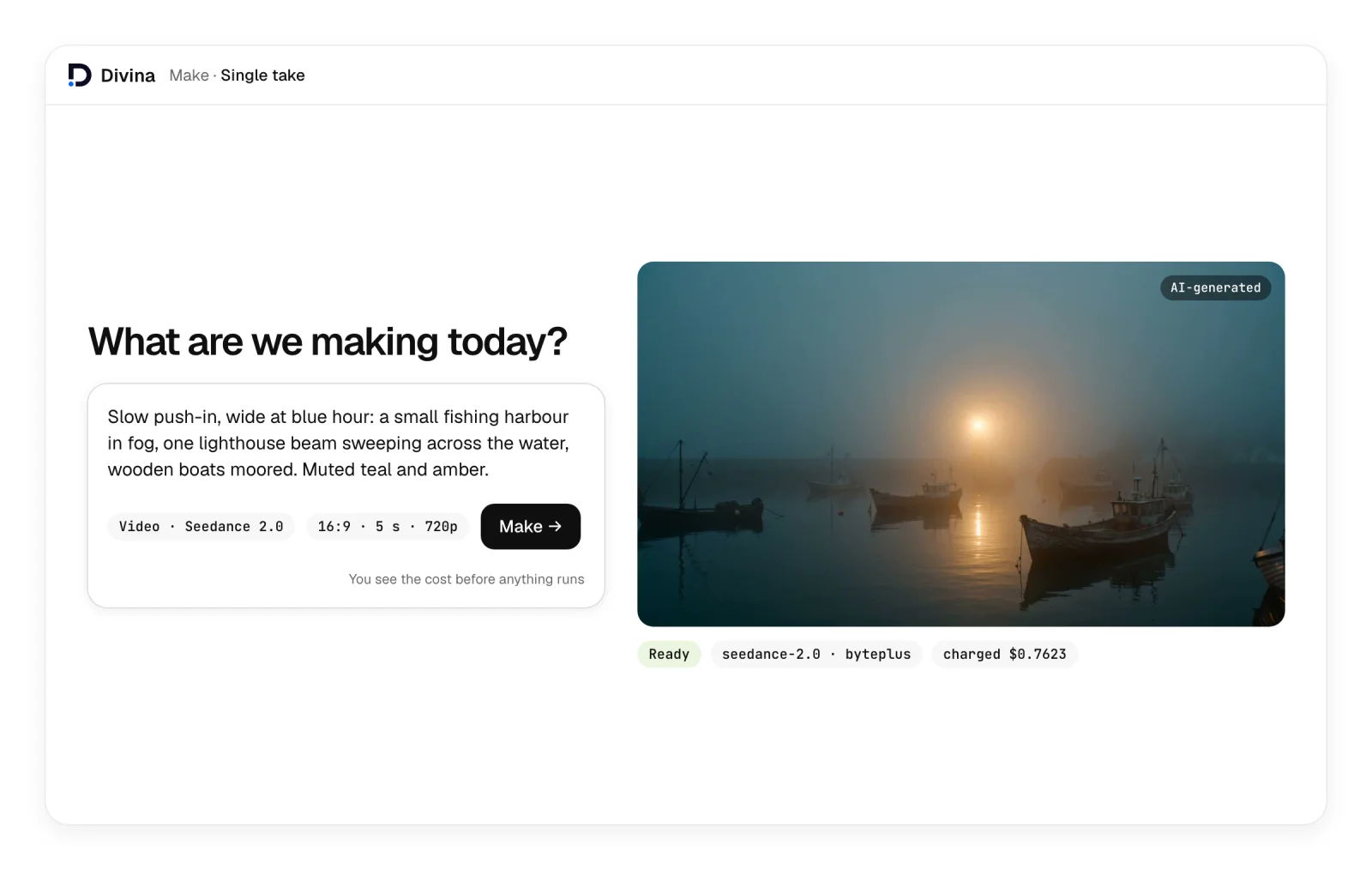
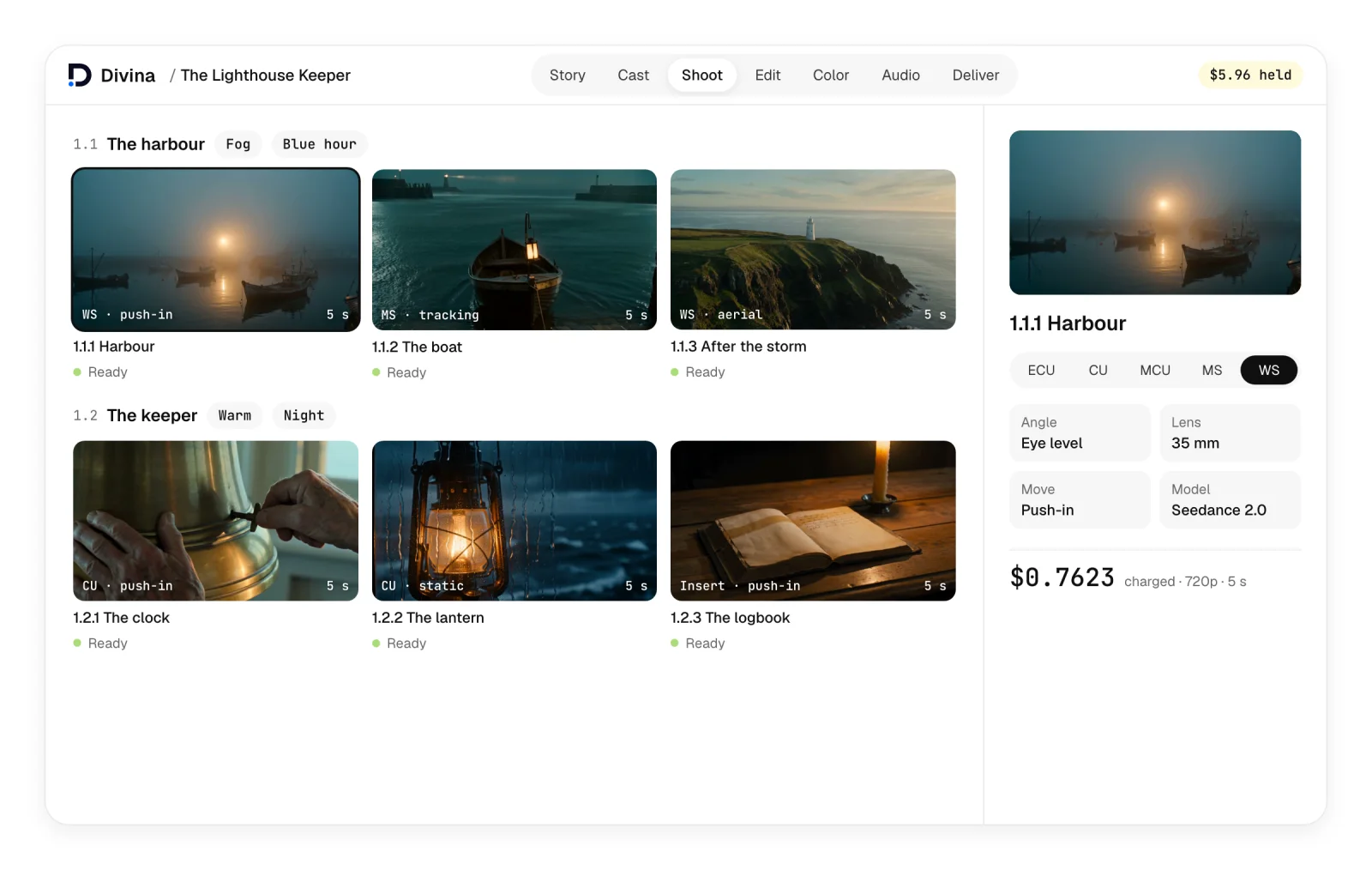
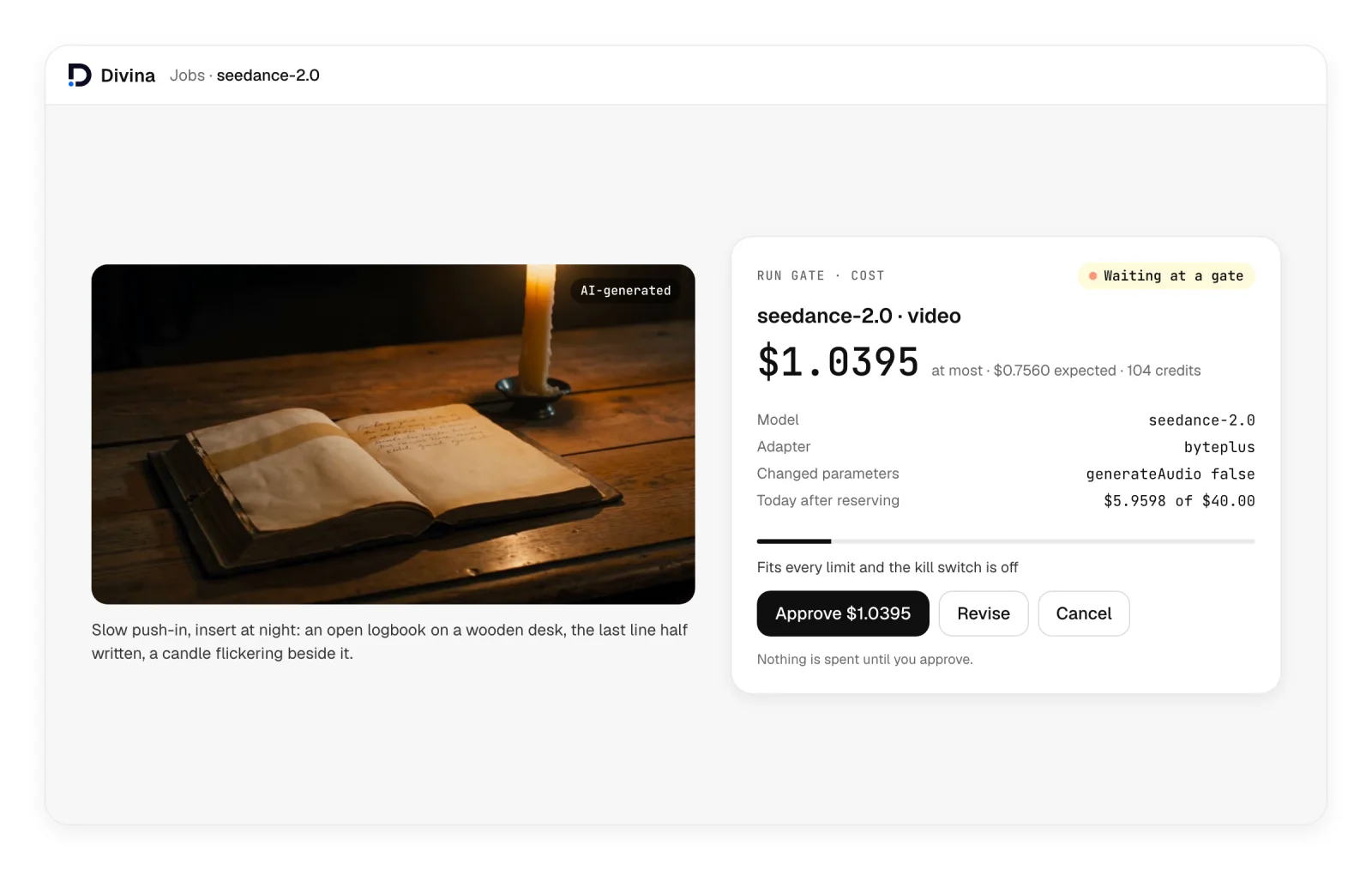
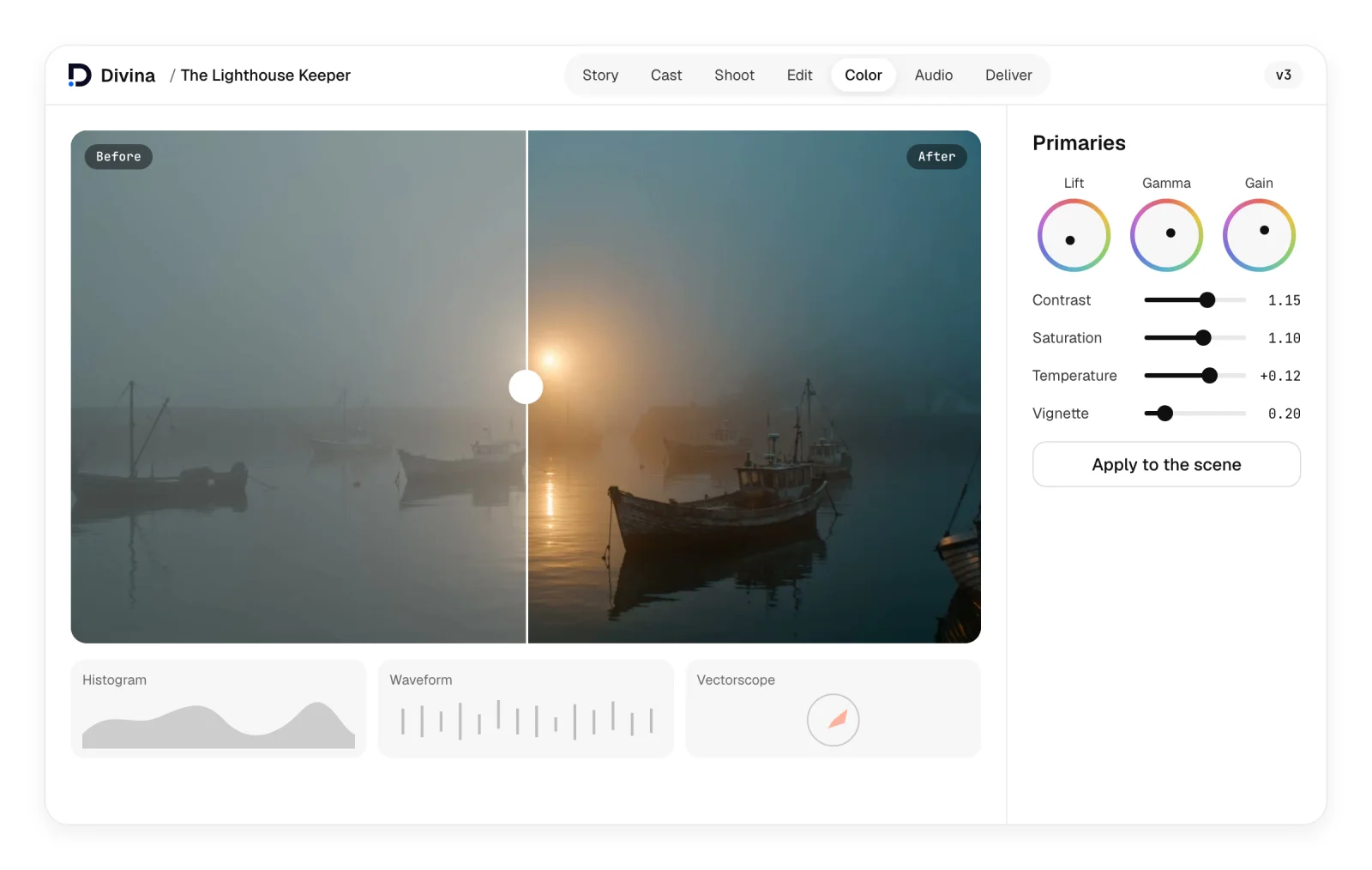
Divina turns a script into scenes, shots and takes, and shows the cost of every take before it is made.